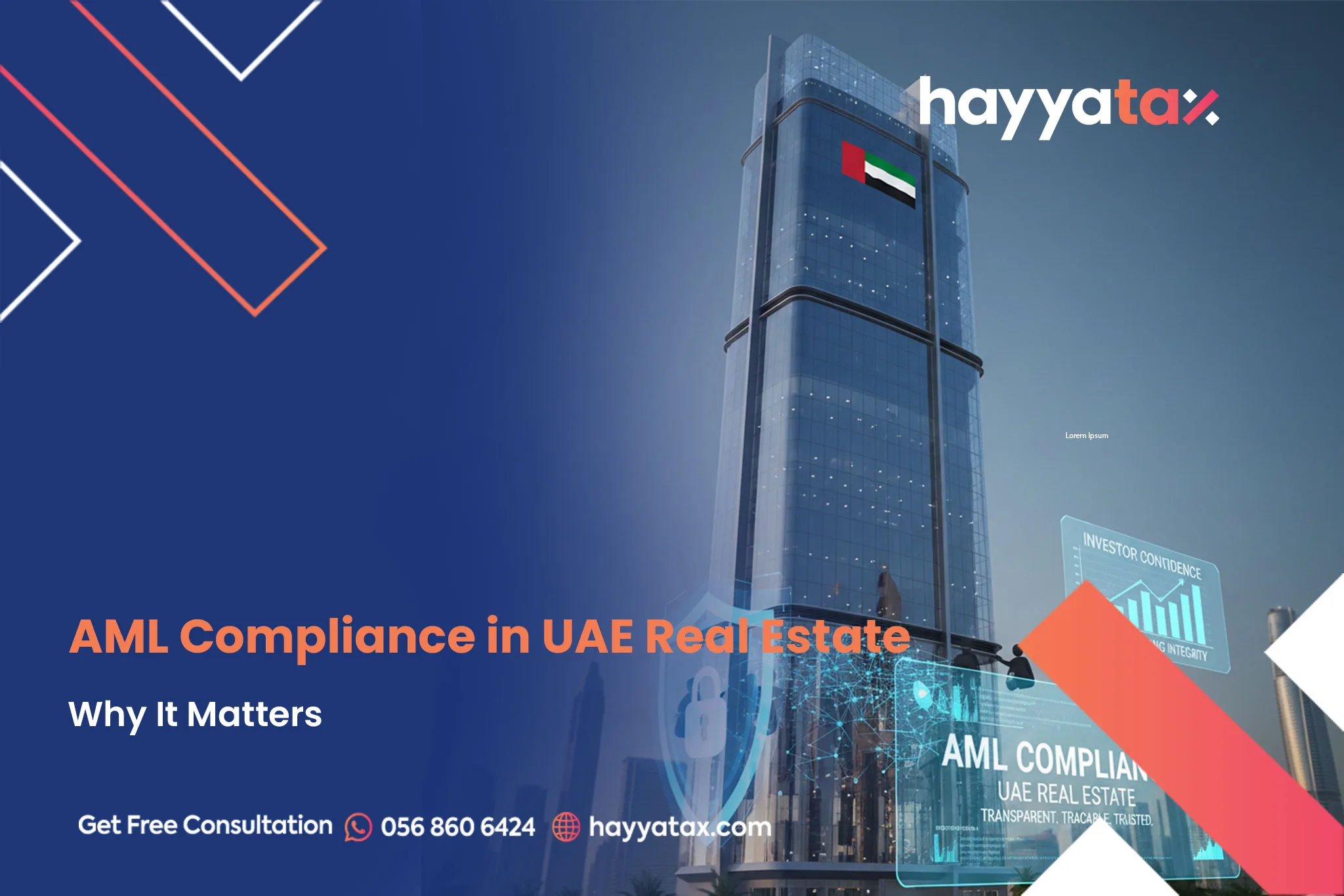
AML Compliance in UAE Real Estate plays a critical role in safeguarding the integrity of the property market. Given the high value of real estate transactions, criminals often attempt to use property purchases to launder illicit funds. Strong AML controls help prevent the misuse of real estate for hiding, transferring, or legitimizing illegal proceeds.
By enforcing AML compliance, authorities ensure that property transactions are transparent, traceable, and conducted by legitimate buyers and sellers. This not only protects the financial system but also enhances investor confidence and supports the UAE’s reputation as a safe and trusted destination for real estate investment.
Key AML Red Flags in Real Estate Transactions
Real estate professionals must remain vigilant and recognize warning signs that may indicate money laundering activity. Common AML red flags in property transactions include:
- Clients unwilling to provide identification or source-of-funds information
- Use of complex corporate structures without a clear business purpose
- Cash-heavy transactions or rapid resale of properties
- Involvement of high-risk jurisdictions
- Transactions inconsistent with the client’s known financial profile
Identifying these red flags early allows real estate professionals to take appropriate action and fulfill their AML reporting obligations.
Real Estate: A High-Risk Sector
The real estate sector stands out as a particularly vulnerable non-financial area for money laundering activities. Several factors contribute to this vulnerability:
- Transactions involve substantial sums of money
- Historically limited regulatory oversight
- Complex ownership structures that can obscure beneficial owners
- High-value assets that can store and transfer wealth
According to the National Anti-Money Laundering and Counter-Terrorism Financing Committee, real estate professionals—including brokers, agents, and developers—are classified as ‘Designated Non-Financial Businesses and Professions (DNFBPs)’ under the UAE’s AML regime.
Importance of Customer Due Diligence (CDD) in Real Estate
Customer Due Diligence is a cornerstone of AML Compliance in UAE Real Estate. Real estate brokers, developers, and agents must verify the identity of clients, understand the nature of the business relationship, and assess the risk level of each transaction.
Enhanced Due Diligence is required for politically exposed persons (PEPs), high-risk clients, and complex ownership structures. Maintaining accurate and up-to-date client records ensures compliance and reduces the likelihood of regulatory breaches.
Regulatory Reporting Obligations for Real Estate Professionals
Under UAE AML laws, real estate professionals are legally required to report suspicious transactions to the Financial Intelligence Unit (FIU) through the goAML platform. Failure to report suspicious activity, even if unintentional, can result in severe penalties.
Timely and accurate reporting demonstrates compliance, protects businesses from liability, and supports national efforts to combat financial crime. Establishing clear internal reporting procedures is essential for meeting these obligations.
Long-Term Benefits of AML Compliance in UAE Real Estate
Beyond regulatory compliance, AML Compliance in UAE Real Estate delivers long-term benefits for businesses. Companies that implement strong AML frameworks build trust with investors, banks, and regulators. This trust leads to smoother transactions, easier access to financing, and stronger business relationships.
Compliance also protects real estate firms from reputational damage, financial penalties, and operational disruptions, allowing them to focus on sustainable growth.
AML Regulatory Framework for UAE Real Estate
The Federal Decree-Law No 20 of 2018 forms the cornerstone of AML regulations applicable to real estate professionals in the UAE. These regulations are particularly crucial given:
- The limited awareness within the sector about potential money laundering schemes
- The vast size of the real estate market
- The comparative lack of regulation relative to financial institutions
Key Compliance Requirements
Real estate agents and brokers must:
- Implement comprehensive internal AML controls
- Conduct risk assessments to identify money laundering vulnerabilities
- Maintain detailed transaction records
- Verify customer identities through robust procedures
- Retain customer identification records for a minimum of 5 years
- Report suspicious transactions to relevant authorities without delay
Consequences of Non-Compliance
Failing to adhere to AML regulations carries serious consequences:
- Substantial financial penalties
- Potential imprisonment for responsible parties
- Risk of license revocation
- Liability for losses arising from money laundering activities
- Reputational damage and business disruption
Best Practices for AML Compliance
To ensure compliance with UAE’s AML regulations, real estate professionals should:
- Enhanced Due Diligence: Conduct thorough background checks on clients, especially those from high-risk jurisdictions or involved in complex ownership structures.
- Comprehensive AML Program: Develop and implement a detailed AML policy tailored to the unique risks of the real estate sector.
- Staff Training: Provide regular, updated training for all team members on AML regulations, red flags, and reporting procedures.
- Transaction Monitoring: Establish systems to identify unusual transaction patterns or those inconsistent with a client’s profile.
- Prompt Reporting: Create clear protocols for reporting suspicious activities to the Financial Intelligence Unit (FIU).
Conclusion
AML Compliance in UAE Real Estate is not merely a regulatory requirement—it is a critical safeguard for the integrity and stability of the property market. By implementing effective AML controls, conducting thorough due diligence, and reporting suspicious activities, real estate professionals contribute to a transparent and secure business environment.
With expert support from HayyaTax, real estate businesses can confidently meet AML obligations while minimizing risk and maintaining full compliance with UAE regulations.
How HayyaTax Can Help
At HayyaTax, we understand the challenges real estate professionals face in navigating complex AML requirements while focusing on their core business activities. Our specialized team offers comprehensive preset